


Why Regular Boat and Motor Maintenance Matters
A boat rarely fails at a convenient time. Problems tend to show up at the ramp, halfway across the lake, or just as the weather turns. Many of those headaches start small: old fuel, a weak battery, a cracked hose, a loose connection, or a prop ding that was easy to ignore last season.
Regular boat and motor maintenance keeps those small issues from becoming expensive, unsafe, or trip-ending problems. It also protects one of the biggest recreational investments many owners make. Whether the boat is used for fishing, family cruising, towing, or weekends at the cottage, a little attention before and after each season pays off.

Maintenance protects safety on the water
A boat is not like a car that can be pulled onto the shoulder when something goes wrong. If the motor quits, steering fails, or electrical power drops, the situation can become serious quickly. Wind, current, cold water, and distance from shore all matter.
Routine checks reduce that risk. Before heading out, it helps to look at the basics:
Fuel level and fuel line condition
Battery charge and clean terminals
Bilge pump operation
Steering response
Propeller condition
Engine oil or two-stroke oil level
Cooling water flow from the motor
Safety gear, including lifejackets and a sound signalling device
The motor deserves special attention. Outboards, sterndrives, and inboards all rely on cooling, lubrication, fuel, and clean electrical connections. If one of those systems fails, the motor can overheat, stall, or suffer internal damage.
A quick inspection does not replace professional service, but it catches obvious issues. Loose clamps, cracked fuel bulbs, damaged wiring, and corrosion are warning signs, not cosmetic flaws. Fixing them before launch is far better than discovering them in chop or rain.
Small service tasks prevent larger repair bills
Many boat repairs become expensive because a small problem goes unnoticed for too long. Marine parts work in a harsh environment. Water, vibration, humidity, salt in coastal areas, and long storage periods all take a toll.
Changing engine oil, gear oil, spark plugs, fuel filters, and water pump impellers on a proper schedule helps prevent damage inside the motor. Old oil loses its protective qualities. Dirty fuel filters can restrict flow. A worn impeller can limit cooling water and lead to overheating.
The lower unit is another area that should not be ignored. If gear oil looks milky, water may be entering through a seal. Running the boat that way can damage gears and bearings. Catching the issue during service can save a major repair.

Regular cleaning also matters. Rinsing the hull, flushing the motor when needed, and removing plant material from the trailer and lower unit help limit wear. Boats used in salt water need even more care, but freshwater boats still face algae, sand, mud, and mineral buildup.
The same logic applies to trailers. A well-maintained boat with a neglected trailer can still leave an owner stranded. Tires, wheel bearings, lights, winch straps, and bunks all need attention. A seized bearing on the highway can ruin a trip before the boat ever touches water.
A maintained boat performs better
A boat that receives steady care usually runs smoother, starts easier, and burns fuel more efficiently. The difference is easy to feel. The motor idles cleaner. Acceleration improves. Steering feels more predictable. The boat planes as it should.
The propeller has a big role in performance. Even small nicks or bends can create vibration. That vibration can stress seals, bearings, and the drivetrain. A damaged prop can also reduce speed and increase fuel use because the motor has to work harder.
Hull condition matters too. A dirty or damaged hull creates drag. On some boats, buildup below the waterline can noticeably reduce performance. Keeping the hull clean and checking for cracks, blisters, or loose fittings helps the boat move through the water as designed.
Fuel quality is another common issue, especially after storage. Gasoline can degrade over time, and fuel that contains ethanol can attract moisture. Using fresh fuel, stabilizing fuel before storage, and replacing filters on schedule help avoid rough running and hard starts.

For seasonal boaters in Canada, the first outing after winter storage is a common time for problems to appear. Batteries lose charge. Fuel systems dry out or gum up. Rodents can damage wiring. Rubber parts age in the cold. A spring inspection helps catch these issues before the season starts.
Good maintenance protects resale value
A boat with records tells a better story than one with guesswork. Receipts, service logs, winterization notes, and parts records show that the boat has been cared for. Buyers notice that.
Maintenance records can also make ownership easier. Instead of trying to remember when the impeller was last changed or whether the gear oil was serviced before storage, the answer is written down. A simple notebook, folder, or digital file is enough.
Useful records include:
Date of each service
Engine hours at the time of service
Parts replaced
Fuel treatment used before storage
Battery replacement date
Trailer tire and bearing service
Any repairs or inspections
A clean, well-running boat will usually be easier to sell than one with unknown history. Even if resale is years away, proper care keeps options open. It also makes day-to-day ownership more enjoyable because there is less uncertainty each time the boat leaves the dock.
Seasonal care keeps the boat ready
Boat maintenance is easier when it follows a rhythm. The best approach is not complicated. Check the boat before each outing, clean it after use, service it during the season, and prepare it properly before storage.
Spring is the time to inspect batteries, fuel systems, safety gear, belts, hoses, and fluids. The motor should be started and checked before the first real trip. During the season, owners should watch for changes in sound, smell, vibration, steering, or starting behaviour. These changes often point to developing problems.
Fall is critical in cold climates. Winterization helps prevent freeze damage, corrosion, and fuel problems. That may include draining or protecting water systems, stabilizing fuel, fogging the engine where appropriate, changing oils, removing or charging batteries, and covering the boat properly.
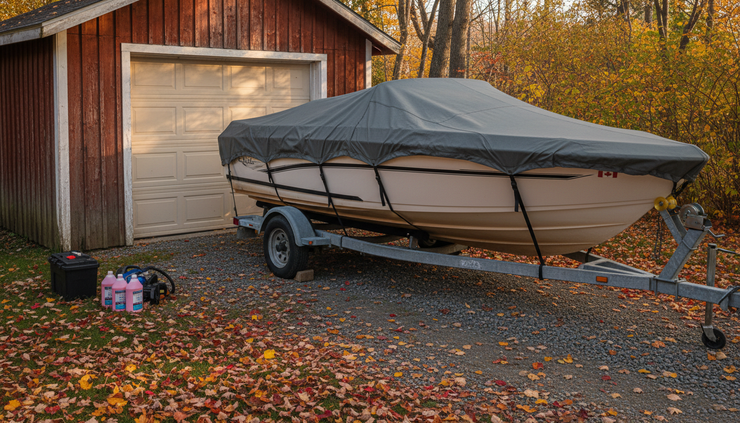
Some owners handle basic checks themselves and leave technical service to a marine technician. That balance works well. The key is consistency. Waiting until something breaks is the most expensive maintenance plan.
The real benefit is confidence
Regular maintenance does more than protect the motor. It makes boating less stressful. The launch goes smoother. The engine starts with less fuss. The trip feels more relaxed because the major systems have been checked, serviced, and cared for.
No maintenance routine can prevent every breakdown, but it can greatly reduce avoidable ones. A boat lives in a demanding environment, and the motor works hard every time it runs. Treating both with steady care leads to safer outings, lower long-term costs, better performance, and stronger resale value.
A few minutes at the dock and a proper service schedule can make the difference between a great day on the water and a frustrating tow back to shore.


Comments