


Civic Holiday in Canada History and Family Fun on the Water
The first Monday in August feels like a pause button for much of Canada. Families pack coolers, lakes fill with canoes and boats, and beaches turn into gathering places. Yet the day itself has a surprisingly local story. The Civic Holiday in Canada is not one single national holiday with one official meaning. It is a patchwork of regional traditions, community pride, and summer rituals.
That loose history is part of its charm. It also makes the long weekend a good time to slow down, learn a little, and enjoy the water safely with the people who matter most.

The Civic Holiday began as a local summer break
The Civic Holiday grew from a simple idea: give people a summer day off for rest, local celebration, and community events. In many places, it became tied to municipal traditions rather than a federal law.
That matters because the holiday is observed differently across the country. Some provinces and cities give it a specific name. Others treat it as a general civic day. In some places, it is a statutory holiday. In others, it depends on the employer, municipality, or local custom.
Common names include:
Place | Common August holiday name |
British Columbia | BC Day |
Saskatchewan | Saskatchewan Day |
New Brunswick | New Brunswick Day |
Manitoba | Terry Fox Day |
Nova Scotia and Prince Edward Island | Natal Day in many communities |
Ontario | often called the Civic Holiday, with local names such as Simcoe Day in Toronto |
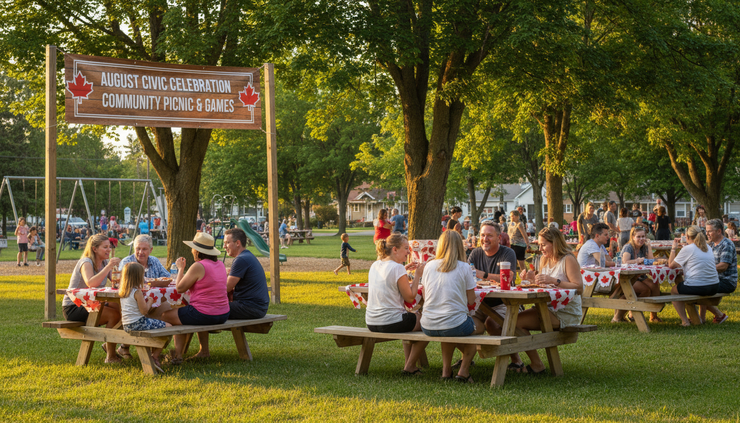
The first Monday in August became useful because it sits between Canada Day and Labour Day. It gives families a mid-summer break when the weather is usually warm, lakes are open, and communities can host parades, festivals, fireworks, and reunions.
The day does not carry the same national symbolism as Canada Day or Remembrance Day. Instead, it reflects something smaller and more local: towns, cities, provinces, and families marking summer in their own way.
A holiday shaped by place and community
Because the holiday is not uniform, its meaning changes depending on where you are. In Ontario, many people simply call it the Civic Holiday, though some municipalities use names that honour local history. In British Columbia, BC Day celebrates the province’s heritage and identity. In Manitoba, Terry Fox Day recognizes one of Canada’s most widely admired figures.
This mix can confuse visitors, but it also tells a Canadian story. Canada often balances national identity with strong local communities. The August long weekend shows that in a relaxed way.
It is less about ceremony and more about connection. A backyard barbecue in Winnipeg, a beach day in Prince Edward Island, a family paddle in northern Ontario, and a lakeside campsite in British Columbia can all belong to the same weekend, even if the name on the calendar changes.
Why water is such a big part of the long weekend
For many families, the holiday points straight to the nearest lake, river, beach, or cottage. That makes sense. Canada has an enormous shoreline, thousands of lakes, and a strong summer cottage culture. The August long weekend often lands at the peak of swimming, paddling, fishing, and boating season.
Water adds freedom to a family day. Kids can splash near shore. Grandparents can sit under a shade tent. Someone can paddle a canoe before breakfast or cast a line at sunset. Simple traditions often become the memories people keep.
Still, busy water can change quickly. Boat traffic rises. Launches get crowded. Weather can shift from clear to stormy. Children get tired. Adults get distracted. A safe day on the water starts before anyone steps onto a dock.
How to keep family water time safe and relaxed
A safe outing does not need to feel strict. The best safety habits are practical, quick, and easy to repeat.
Start with proper life jackets or personal flotation devices for everyone. They should fit well, be approved for use in Canada, and stay on while boating, paddling, or playing near deep water. A life jacket sitting under a seat helps no one.
Set a simple family rule before the fun begins: no one goes near the water alone. For children, choose a clear adult watcher. That person should stay focused, not half-watching while cooking, texting, or loading gear.
Before leaving home or the cottage, check:
The local forecast, including wind and storm risk
Water temperature and swimming conditions
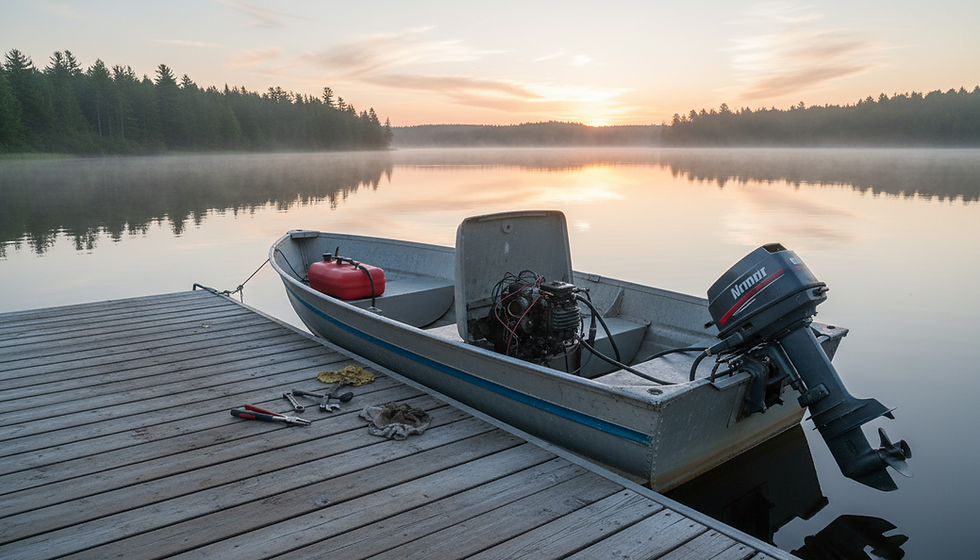
Boat fuel, batteries, paddles, and required safety gear
Sunscreen, hats, drinking water, and snacks
A basic first aid kit
A dry bag for phones, medication, and keys
For boating, keep the pace calm near docks, swimmers, and paddlers. Follow posted signs and local rules. Alcohol and boating do not mix. The same goes for paddling when conditions are rough or visibility is poor.
For swimming, pick a supervised beach when possible. If swimming at a cottage or private shoreline, check the bottom for rocks, weeds, sudden drop-offs, and debris. Teach children to enter feet first unless an area is clearly marked and known to be safe for diving.

Make the day easy for every age
A good family water day works best when it has room for different energy levels. Not everyone wants to swim for hours. Not everyone enjoys a boat ride. Plan the day in layers so people can join in without pressure.
Try a rhythm like this:
A short early paddle before the wind picks up
Beach time with a marked swimming zone
A shaded lunch away from the dock
Quiet time for younger kids or older relatives
A late afternoon walk, fishing session, or campfire meal
Pack more water than you think you need, especially on hot August days. Add simple food that travels well, such as sandwiches, fruit, cut vegetables, crackers, and cold treats stored safely in a cooler.
Leave room for the slow parts too. Skipping stones, watching loons, or sitting with feet in the water can be just as memorable as the big activities.
Bring a little history into the weekend
The Civic Holiday does not need a formal lesson, but a few small details can make the weekend richer. Ask locals what the holiday is called where they live. Look for a community event. Read a park sign. Visit a small museum if rain moves in.
Families can also mark the day by talking about place. Whose traditional territory are you visiting? What is the history of the lake, river, or town? What has changed over time, and what should be protected?
That kind of curiosity fits the spirit of the holiday. It turns a long weekend into more than a break from work. It becomes a way to notice where you are.

A long weekend worth remembering
The August Civic Holiday is wonderfully Canadian because it is not exactly the same everywhere. It carries local names, local stories, and local traditions. For many families, it also carries the sound of paddles, waves, gulls, and kids laughing from the shoreline.
Enjoy the day, but build safety into the plan. Wear the life jackets. Watch the weather. Keep children within reach. Slow down near others on the water. Then let the weekend do what it does best: give everyone a little space to rest, reconnect, and enjoy summer while it lasts.



Comments